Conquering a high-country hunt isn't about wrestling the elements — it's about outsmarting them.
You know the factors that amplify your risks at high elevations — rapid ascent, intense physical exertion, dehydration, and individual susceptibility — so now it's time to apply that knowledge into actionable steps.
That's why we've put together this list of practical strategies. These aren't mere suggestions; they're tactics drawn from the wisdom of seasoned backcountry hunters, designed to acclimate you to high elevations as quickly as possible.
Hydration — Quenching elevation
- Drink Up: Make sure you're well-hydrated before heading to high elevations. Ramp up your water intake in the days leading up to your trip to help ward off elevation-related health issues. Pre-hydration builds fluid reserves that the body draws upon during the initial stress of elevation.
- Maintain Fluids: Aim to drink 3-5 liters of water daily at high elevations. This will help replenish lost fluids due to increased respiration and potential sweating caused by elevation. Sip consistently rather than chugging to avoid discomfort.
- Skip Dehydrating Drinks: Cut back on diuretic beverages like coffee and alcohol that can lead to dehydration. Opt for herbal teas or electrolyte-enhanced water instead.
- Dress Smart: Adjust your clothing before starting your climb or hike to prevent excessive sweating, helping to maintain hydration and a comfortable body temperature. Layering allows you to shed or add pieces as conditions change without unnecessary moisture loss.
Additional strategies include monitoring urine color (pale yellow is ideal), using insulated reservoirs to prevent freezing, and incorporating electrolyte mixes to retain fluids better in dry, high-elevation air. Respiratory water loss alone can exceed a liter per day above 10,000 feet.
Nutrition — Fueling Optimization
- Caloric Balance: Keep up a sufficient calorie intake when at high elevations to prevent unwanted weight loss and meet your body’s energy needs. Appetite often drops, so plan calorie-dense, appealing foods.
- Protein Power: Make sure your diet has enough protein to support muscle recovery and repair. Moderate amounts spread throughout the day are more effective than large doses.
- Balanced Meals: Eat complex carbohydrates for sustained energy, plenty of potassium for electrolyte balance, and increase your iron intake to boost oxygen-carrying capacity in the blood. Iron-rich foods like lean red meat or fortified options help with red blood cell production over time.
- Smart Snacking: Choose nutritious, high-yield snacks throughout the day to provide a steady supply of energy and reduce discomfort at higher elevations.
Focus on easily digestible options during active periods. Carbohydrates become even more critical at elevation because they require less oxygen to metabolize than fats. Test your menu on training hikes to ensure it sits well when exertion and elevation combine.
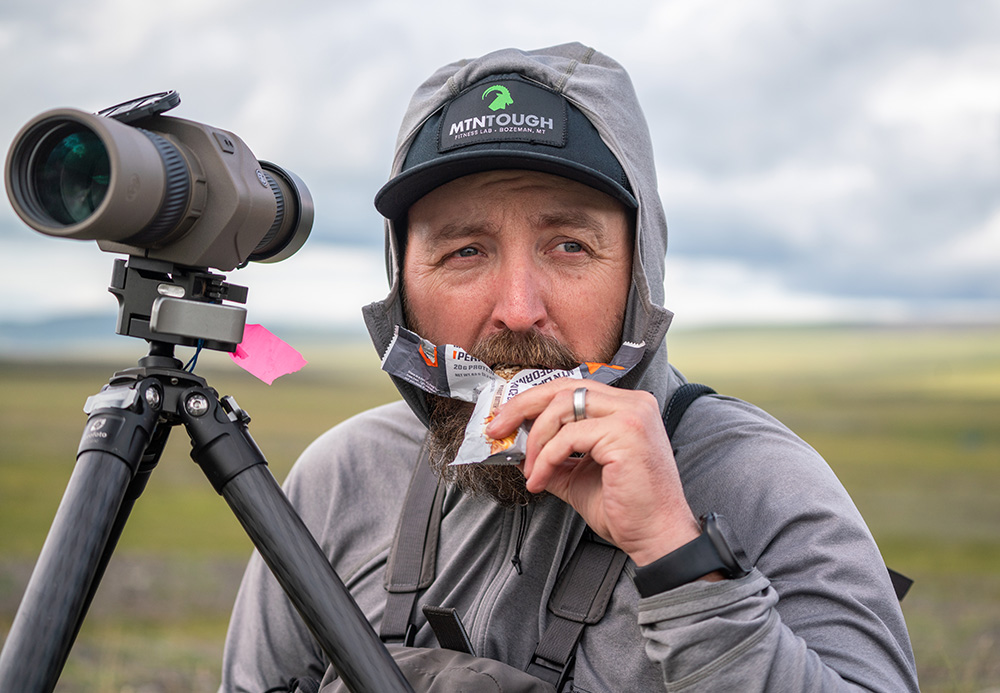
Choose nutritious, high-yield snacks throughout the day to provide a steady supply of energy and reduce discomfort at higher elevations.
Acclimatization — Elevation Adaptation
- Slow and Steady: Limit your elevation gain to no more than 1,000 feet per day once above 10,000 feet, allowing your body to adjust gradually. Start with low-intensity activities and gradually ramp up the intensity as your body adjusts to the elevation.
- Rest and Recover: Build a rest day into your itinerary for every 3,000 feet climbed, giving your body time to recover and adjust. Avoid using sleep aids, which can interfere with natural acclimatization and may mask potential warning signs of elevation-related problems.
- elevation Rotation: Spend your days at higher elevations and descend to a lower elevation for sleeping, aiding effective acclimatization. This "climb high, sleep low" strategy is a proven technique used by mountaineers and adaptable for hunters.
- Know the Signs: Get familiar with the symptoms of elevation sickness and take necessary actions if symptoms appear. Descend to a lower elevation immediately if severe elevation sickness symptoms persist.
- Descend If Needed: If you’re still not feeling better or experiencing severe symptoms of elevation sickness, descend to a lower elevation. Descending can help alleviate the effects of high elevation on your body.
- Avoid Sleep Aids: Steer clear of any sleep aids while adjusting to the elevation. Sleep aids can interfere with natural acclimatization processes and may mask potential warning signs of elevation-related problems.
- Arrive Early: Get to your destination elevation at least 48 hours before engaging in strenuous physical activity to give your body enough time to adapt. Ideally, plan 3-5 days for meaningful acclimatization before hard hunting days.
Consider supplemental strategies like acetazolamide (Diamox) under medical guidance for higher-risk trips, or natural aids such as gingko biloba or beetroot juice for nitric oxide support, though results vary. Simulation tools like elevation tents or masks can help pre-trip if travel time is limited.
Physical Fitness — Peak Conditioning
- Be Prepared: Regular exercise before undertaking high-elevation activities can boost your stamina and cardiovascular fitness, enabling a smoother adjustment to higher elevations. Incorporate hill repeats, rucking with weight, and high-intensity intervals to mimic mountain demands.
- Listen to Your Body: Stay patient, listen to your body’s signals, and adjust your activities accordingly, allowing time for proper acclimation.
- Pack Smart: Bring only the essential hunting gear for a high elevation hunt to avoid carrying unnecessary weight. Every extra pound amplifies the oxygen cost of movement.
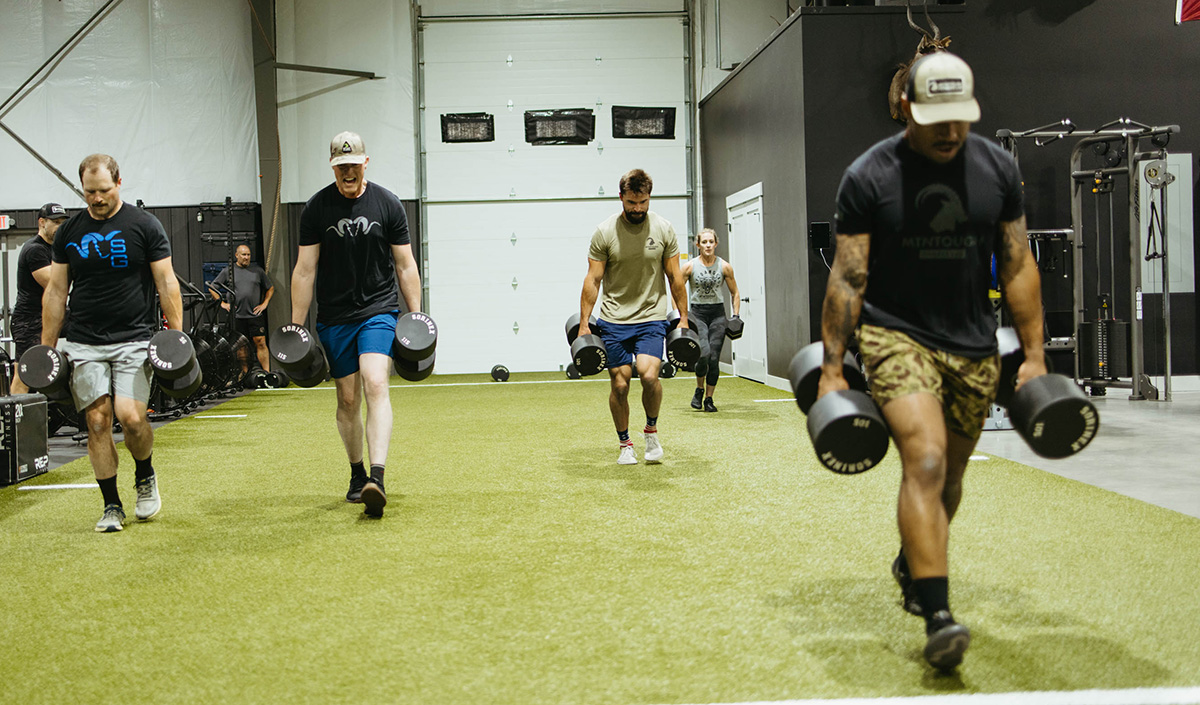
Functional training that builds aerobic capacity, muscular endurance, and mental resilience pays massive dividends. Training at or near your hunt elevations whenever possible provides the most specific adaptations.
Navigating elevation Symptoms
The most common symptoms of elevation sickness, including headaches and nausea, can throw you off your game when you're in the thick of a hunt. Overcoming these hurdles involves a strategic mix of prevention, mitigation, and smart decision-making.
To combat headaches, hydration is your best ally. Dehydration can often amplify the pain, so it's crucial to drink plenty of water even before the headache kicks in.
Over-the-counter pain relievers can also offer relief, but they're no substitute for proper hydration and rest.
Nausea can be a tougher opponent, as it can drain your strength and kill your appetite.
In these cases, eating small, frequent meals can help. Go for carbohydrate-rich foods, which are easier to digest and can provide quick energy.
Certain medications, like Diamox, can help reduce symptoms, but always consult a medical professional before use.
Handling the discomfort while keeping your eye on the hunt requires mental toughness and a practical approach. Focusing on the task at hand can be a powerful distraction from minor aches and discomforts.
Engage in deep breathing exercises, which can not only help to alleviate symptoms but also bring your focus back to the present moment.
Taking frequent short breaks can also help by giving your body a chance to rest and recover, making the entire hunting experience less physically demanding.
Remember, experiencing elevation sickness doesn't mean you're unfit for high-elevation hunting; it simply means your body is adjusting to new heights.
Listen to your body, give it time to acclimate, and you'll be ready to conquer the backcountry like never before. Many hunters report that symptoms often peak on days 1-3 and improve significantly with continued smart management.