Wildlife Professionals Meeting
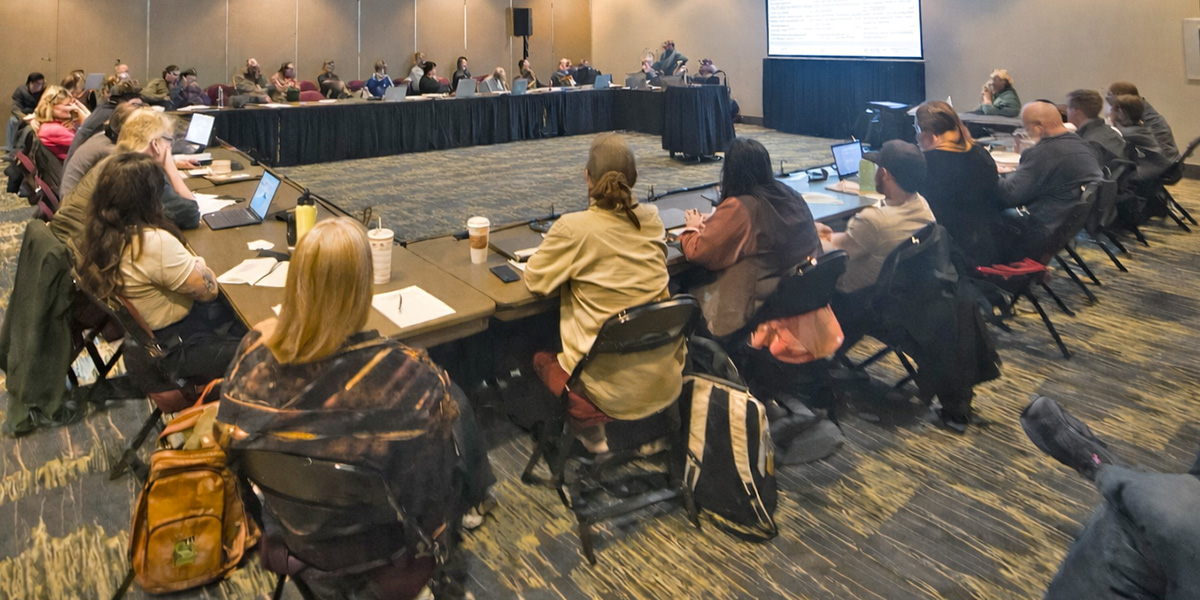
On January 21, 2026, wildlife agency leaders, conservation partners, and policy experts came together at the Reno-Sparks Convention Center for an afternoon focused on the challenges and opportunities shaping the future of wild sheep conservation across North America and beyond. The afternoon program moved steadily from Foundation updates to international work, then into some of the most pressing on-the-ground management issues facing wild sheep today. From the opening moments, the meeting reflected the Foundation’s commitment to science-based collaboration and hands-on progress.
Opening and Organizational Updates
The session began with a welcome, introductions, and logistics led by Kevin Hurley, VP of Conservation Emeritus for WSF, who also served as moderator for key portions of the afternoon. One of the early highlights was the presentation of a new book, Mountain Sheep in North America, delivered by Bill Jex, Thinhorn Sheep Program Leader for WSF. The work represents both a celebration of wild sheep heritage and a valuable resource for modern conservation. Jex also provided an update on the ongoing efforts of the WSF Thinhorn Sheep Summit IV scheduled for May 6 & 7 in Prince George, BC, continuing a multi-year initiative focused on the unique challenges facing Dall’s and Stone’s sheep across northern landscapes. With North American updates in place, the meeting then shifted beyond the continent to highlight growing conservation partnerships overseas.
International Conservation and Central Asia Partnerships
The meeting broadened its scope to the global stage with a presentation on the Central Asia Wild Sheep and Wild Goat Partnership, along with an update on the Convention on International Trade in Endangered Species of Wild Fauna and Flora (CITES) CoP20. This session was led by Kurt Alt of WSF and Aibat Muzbay, WISPA–Central Asia Vice Chair, underscoring the growing importance of international collaboration in conserving mountain species such as argali and ibex.
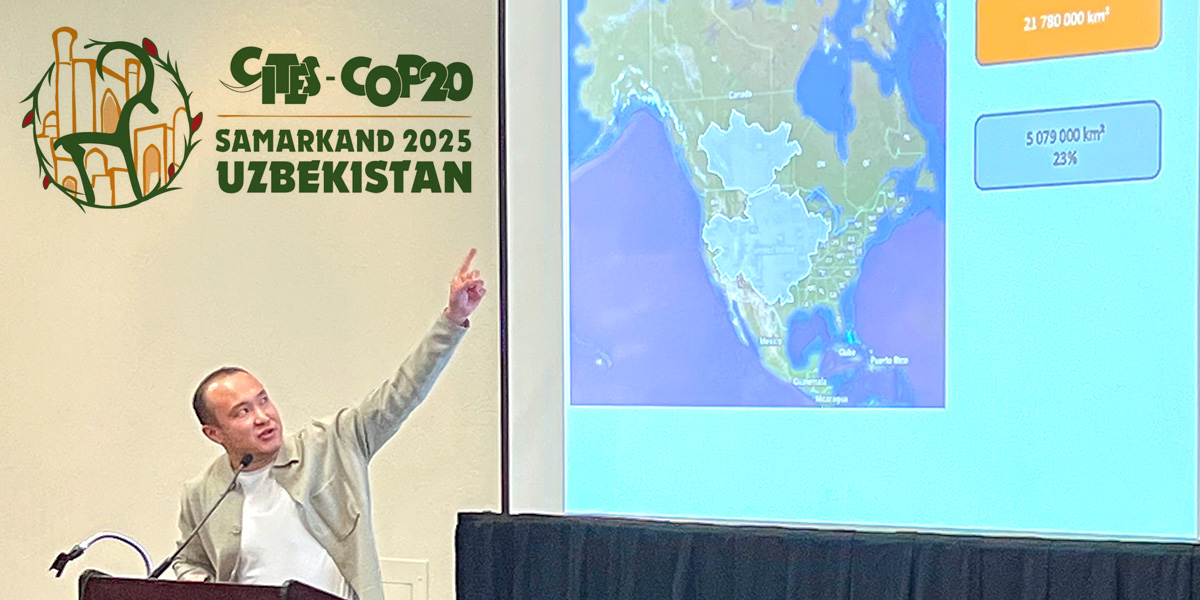
“Wild sheep conservation has always been about working together, and that’s just as true in Central Asia as it is here in the West,” Alt said.
Muzbay highlighted how these efforts depend on shared commitment and local engagement across vast landscapes. “These mountain species connect people across borders, and conservation succeeds when communities are part of the solution,” Muzbay said. Their update reinforced how wild sheep conservation increasingly depends on cooperative frameworks that connect science, sustainable use, and the people living alongside these iconic species. From the global scale, attention returned to WSF’s core conservation strategy and how the Foundation measures progress across wild sheep range.
Measuring Conservation Impact
A key portion of the afternoon focused on WSF’s strategic conservation direction. Corey Mason, Chief Conservation Officer for WSF, presented updates on the Foundation’s FY 2024–25 Conservation Impact document as well as progress toward Conservation Vision 2030, a long-term roadmap guiding wild sheep work across North America. Mason, alongside Hurley, also provided an overview of the timing and process behind WSF’s Grant-In-Aid (GIA) program, one of the Foundation’s most direct tools for funding critical field projects, research, and habitat work. The second half of the afternoon focused on field-level challenges, beginning with invasive species that continue to shape habitat conditions in many regions.
Addressing Invasive Species Threats
One of the most urgent themes of the meeting centered on invasive species and their impacts on wild sheep and wild sheep habitat, namely, aoudad and feral horses and burros. A special session titled Management of Invasive Species Impacting Wild Sheep and Wild Sheep Habitat was moderated by Hurley, bringing together multiple speakers tackling complex challenges across the West.
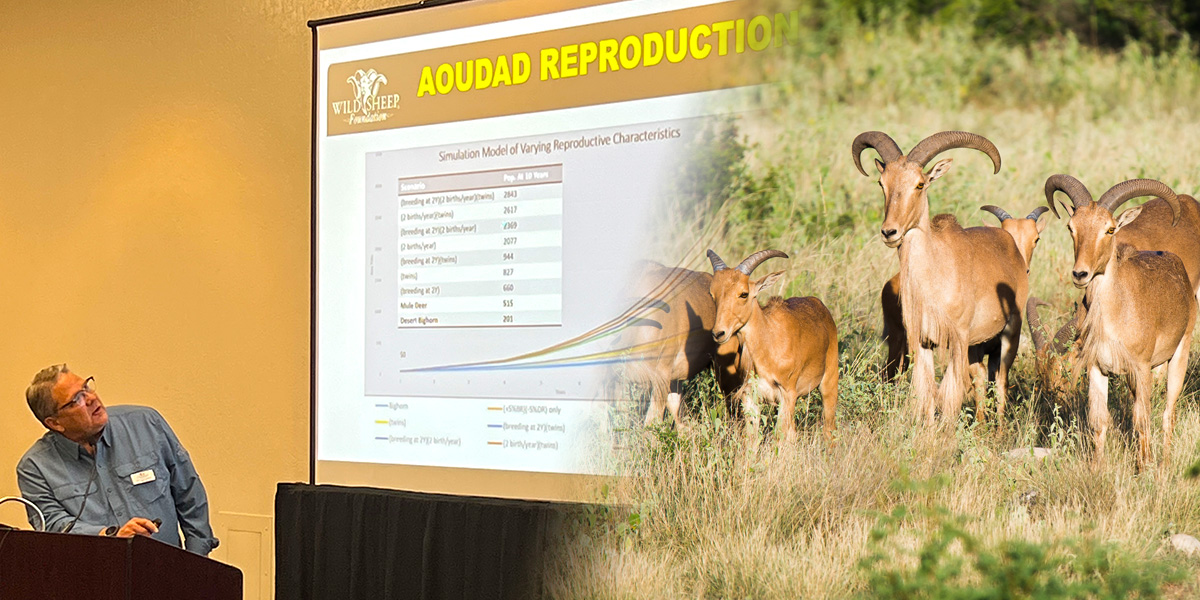
The first update came from Jose Etchart, Desert Bighorn Sheep Program Leader with the Texas Parks & Wildlife Department, joined by Sam Cunningham of the Texas Bighorn Society and the WSF Board of Directors, who provided an in-depth look at ongoing aoudad management efforts. “In Texas, it’s a 97 percent private land state,” Etchart said, emphasizing the importance of landowner partnerships in addressing invasive pressures. Cunningham highlighted the rapid expansion potential of the species and the need for sustained management. “To effectively control the population, you have to remove 80 percent of the females every year,” he said. Across the Southwest, overabundant aoudad remain one of the most significant limiting factors for desert bighorn recovery. They compete for forage and increase risks tied to disease transmission. From aoudad management in the Southwest, the conversation expanded into another landscape-scale issue affecting sheep habitat across the West.
Feral Horse Impacts Across Western Landscapes
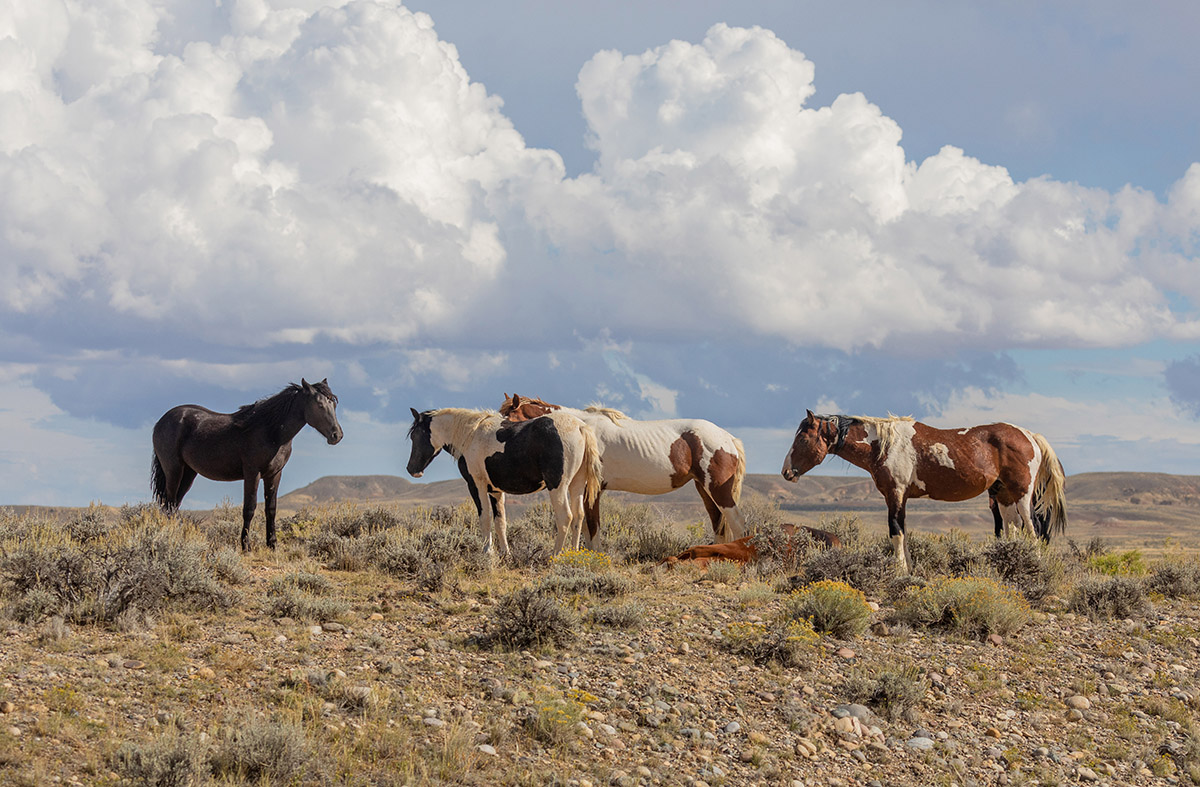
The invasive species discussion expanded into another growing concern: feral horse impacts on sheep habitat. Art Lawson presented the first feral horse update from the Wind River Reservation in Wyoming, where overabundant horses have placed increasing pressure on winter range and displaced native wildlife. Lawson explained that aerial surveys conducted in 2022 estimated roughly 5,000 feral horses, with total numbers believed to be closer to 8,000 animals occupying nearly one million acres of the reservation’s 2.2-million-acre landscape.
“We were noticing that the feral horses were overtaking a lot of the livestock and range units,” Lawson said, describing how competition for forage has reshaped habitat conditions across the landscape.
Through a major multi-partner effort involving the tribe, Wyoming Game and Fish, WSF, and others, Wind River implemented one of the most significant removal initiatives in the region. Lawson reported that gather operations removed approximately 7,763 horses, reducing the population from thousands to roughly 1,000 remaining animals. A second update followed from Oregon, presented by Camille Wright and Mike Leecy of the Confederated Tribes of the Warm Springs Indian Reservation.
Leecy reported that Warm Springs continues to face a horse population of approximately 4,600 animals across its 644,000-acre reservation. He noted that even with significant investment, more than $244,000 spent to remove 1,220 horses over a year and a half, the net population decline was minimal. This illustrates how difficult long-term control can be without sustained capacity. Together, the two updates underscored a shared theme across the West. Habitat pressures at this scale require long-term coordination and consistent effort. Following the invasive species updates, the meeting turned toward habitat work already underway to improve conditions on the ground.
Habitat Treatments and Practical Restoration Work
The session then turned toward on-the-ground solutions. Shannon Ludwig of the U.S. Fish and Wildlife Service, representing Hart Mountain National Antelope Refuge and Sheldon National Wildlife Refuge, presented on invasive-vegetation treatments and habitat-restoration strategies. Such work includes removing invasive plants, improving native forage conditions, and sustaining water availability. These efforts remain central to long-term wild sheep habitat management. The program then closed with a reminder that conservation outcomes are influenced not only by biology and habitat, but also by policy decisions made far from the mountain.
Legislative Perspective and Advocacy Update
As conservation is shaped not only by biology but also by policy, the meeting concluded with a West-wide wild sheep legislative update from Charlie Booher of Watershed Results. His presentation emphasized the importance of staying engaged in legislative conversations that affect habitat priorities, funding, and management authority across wild sheep range. With the day’s major updates complete, participants closed the session by looking toward the next round of coordination and upcoming meetings.
Looking Ahead
The meeting wrapped up with an open discussion and a review of upcoming events, including the summer Western Association of Fish and Wildlife Agencies (WAFWA)/Wild Sheep Working Group (WSWG) meeting in Boise, the Northern Wild Sheep and Goat Council symposium in Elko, and the WSF 50th Anniversary Sheep Show scheduled for 2027 in Reno. Taken together, the afternoon’s presentations reflected the full scope of modern wild sheep conservation, local, regional, and international. In the end, the Wildlife Professionals Meeting served as a reminder of what drives wild sheep conservation forward: dedicated professionals, diverse partnerships, and a shared commitment to keeping wild sheep on the mountain. From Texas desert ranges managing aoudad, to tribal landscapes balancing habitat pressures, to international mountain systems where conservation and communities intersect, the work is complex. And as the gathering in Reno demonstrated, the future of wild sheep will continue to be shaped by those working together, range by range, herd by herd, and mountain by mountain.
Wild Sheep Initiative Winter Meeting Address Range-wide Priorities
Wild sheep conservation in North America has always depended on cooperation across boundaries, between states, provinces, tribes, federal partners, and researchers working toward the same goal. That spirit was on full display during the 2026 Winter Meeting of the Wild Sheep Initiative (WSI), held January 20–21 in Reno, Nevada, at the Reno-Sparks Convention Center. Hosted under the Western Association of Fish and Wildlife Agencies (WAFWA), the meeting brought together leaders from across wild sheep range to tackle shared challenges, compare tools, and keep range-wide priorities moving forward. The meeting was chaired by Daryl Lutz of the Wyoming Game and Fish Department, with Brent Lonner of Montana Fish, Wildlife and Parks serving as vice-chair. The director sponsor for the session was Jon Rachael of Idaho Fish and Game. From the start, the agenda showed the kind of coordination that supports wild sheep work across the West.
Range-Wide Status and Distribution Priorities
Lutz opened the meeting with introductions and housekeeping before the group moved quickly into one of its most important annual efforts, the 2026 Range-wide Status Report.
This year included a transition in coordination responsibilities previously led by Froylan Hernandez, who is moving into a new position in Nevada and currently transitioning out of the role. Jose Etchart of Texas Parks and Wildlife Department will be stepping in to carry the effort forward moving ahead. Lutz emphasized that the reporting effort is far more than a routine exercise. “It’s not work that’s done in vain. It’s not busy work. It’s important work and I think it’s recognized and used,” he said.
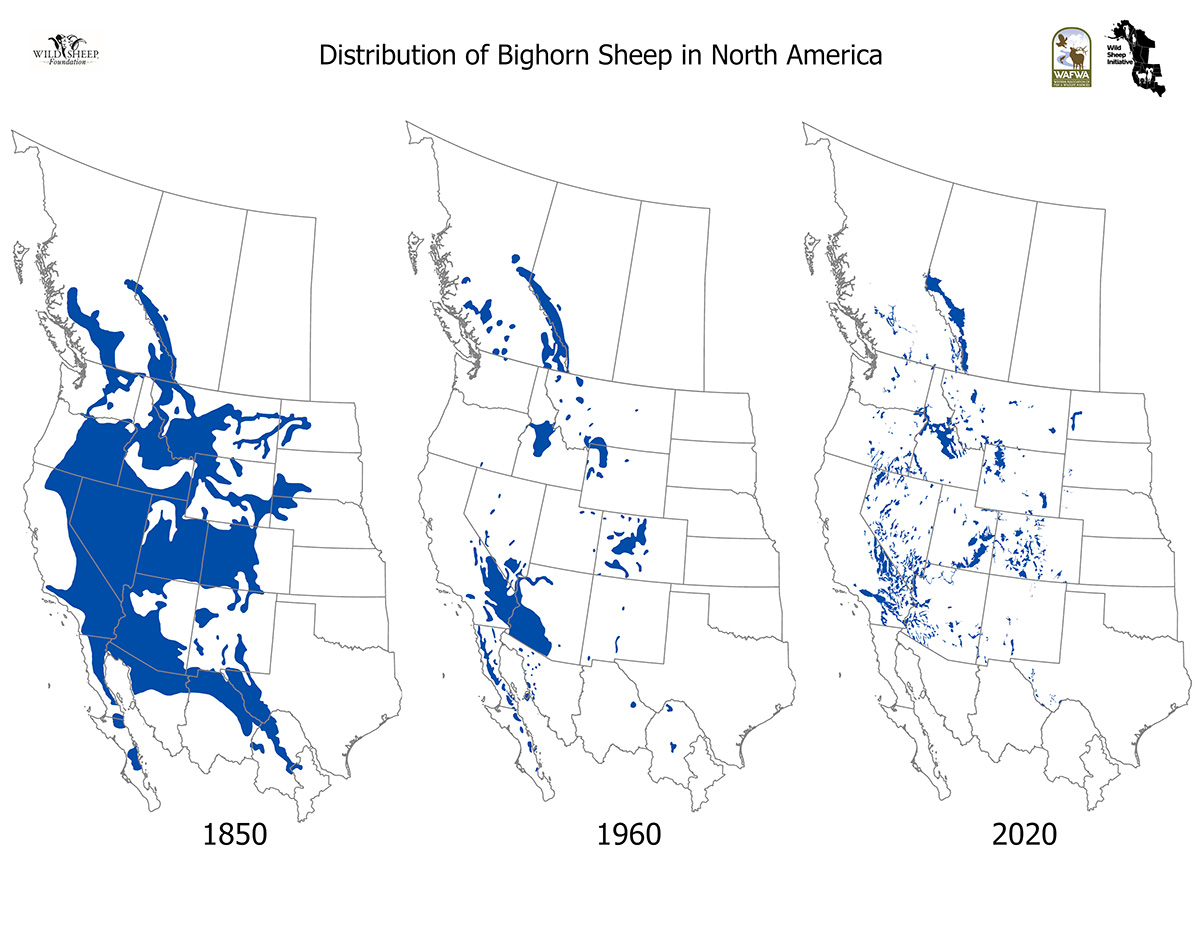
From there, attention shifted to the Bighorn Sheep Distribution Map update, a foundational layer used widely in modern sheep management. Lutz noted that the map’s importance continues to grow beyond North America. “This was used in Abu Dhabi this past few months and it was questioned whether or not the distribution had changed enough that maybe it should be updated,” he said.
Advancing Risk Reduction Through Science and Connectivity
With mapping and status reporting underway, the meeting turned toward efforts tied to disease risk reduction, including updates from the Test and Remove Meta-analysis work.
The group also heard from Mike Cox on Circuitscape analysis, and an upcoming workshop planned for June 2026 in Elko, Nevada. Connectivity modeling is becoming more common in wild sheep management, helping agencies better understand movement corridors and areas where conflicts may arise.
Cox stressed that these mapping layers matter because they are being used in real decisions on the ground. “When it comes to someone actually using this layer in GIS and overlapping it with existing domestic sheep or a trailing route, and is missing, then that effort’s going to miss,” Cox said.
Together, the discussion highlighted the importance of keeping these tools current as agencies continue refining practical approaches to reduce risk across wild sheep range.
Pathogen Monitoring and Hunter-Harvest Sampling
Disease remains one of the most persistent challenges facing wild sheep across the West, and the meeting included a focused discussion of pathogen samples collected from hunter-harvested animals. The update was led by Andy Holland of Colorado Parks and Wildlife, who emphasized that these efforts help agencies learn from one another and strengthen monitoring across jurisdictions.
“I got positive feedback from the states that they think it’s a valuable tool,” Holland said, noting that the process helps ensure managers are at least hearing what other people are doing. He added that hunter-harvest sampling can provide information that supports long-term herd health work. “Getting that data can help fill in those gaps,” Holland said. As agencies continue to refine these approaches, Helen Schwantje, former provincial wildlife veterinarian for British Columbia and longtime leader in wild sheep health, emphasized the value of strong partnerships with the hunting community. “It is possible to work really closely with outfitters and get what you want,” Schwantje said, noting that when communication is strong hunters are happy to do it.
Budget, Projects, and Building the Conservation Toolkit
From field monitoring, the meeting moved into the planning needed to keep WSI’s work funded and coordinated. Key agenda items included discussion of the WSI budget and project solicitation, both led by Lutz. The group then reviewed several documents and datasets identified as needing updates, with responsibilities shared between Brent Lonner and Daryl Lutz. Among the priorities were West-wide domestic sheep and goat grazing allotments, wild sheep distribution and range mapping, and improved accessibility of British Columbia range data. Participants also highlighted the need to maintain accurate records of wild sheep translocations, along with several foundational documents that continue to guide herd health and harvest management. Participants also noted the need to keep several foundational guidance documents current, including the Ram and Ewe Horn Harvest Restrictions framework, with Rusty Robinson identified to help lead that update.
Nursery Herd Focus and Technical Support Needs
The agenda included a dedicated discussion of the Nursery Herd White Paper, led by Katie Piecora, on how nursery-herd concepts are used in bighorn sheep management across the West. States compared how nursery herds are defined, how those herds are tracked over time, and how the approach fits into broader herd planning and monitoring efforts. The meeting also addressed the continuing need for technical and software support tied to risk modeling tools such as the Risk of Contact Model.
Applied Tools and Looking Ahead
The session concluded with a Track Tag discussion provided by Travis Godon, emphasizing continued efforts to refine applied monitoring and tracking tools. The meeting also highlighted upcoming coordination opportunities, including the WSF Thinhorn Sheep Summit IV in May 2026 in Prince George, British Columbia, the WSI Summer Meeting in June 2026 in Boise, Idaho, and the Northern Wild Sheep and Goat Council Symposium in June 2026 in Elko, Nevada.
A Shared Conservation Mission
The Wild Sheep Initiative Winter Meeting was a reminder of the coordination needed to keep wild sheep conservation moving forward across the West. From mapping and connectivity work to disease monitoring and shared management tools, the conversations in Reno reflected a steady focus on practical progress. The details are complex, but the goal remains simple, keeping wild sheep on the mountain, supported by agencies and partners working together across borders and landscapes.
Contributing Author: Chester Moore is an award-winning wildlife journalist, wildlife photographer, and lifelong hunter from Texas. He operates the Higher Calling Wildlife® blog and podcast and contributes to many outdoors publications.
Tags: Advocacy, International, Aoudad, Sheep Show, Conservation