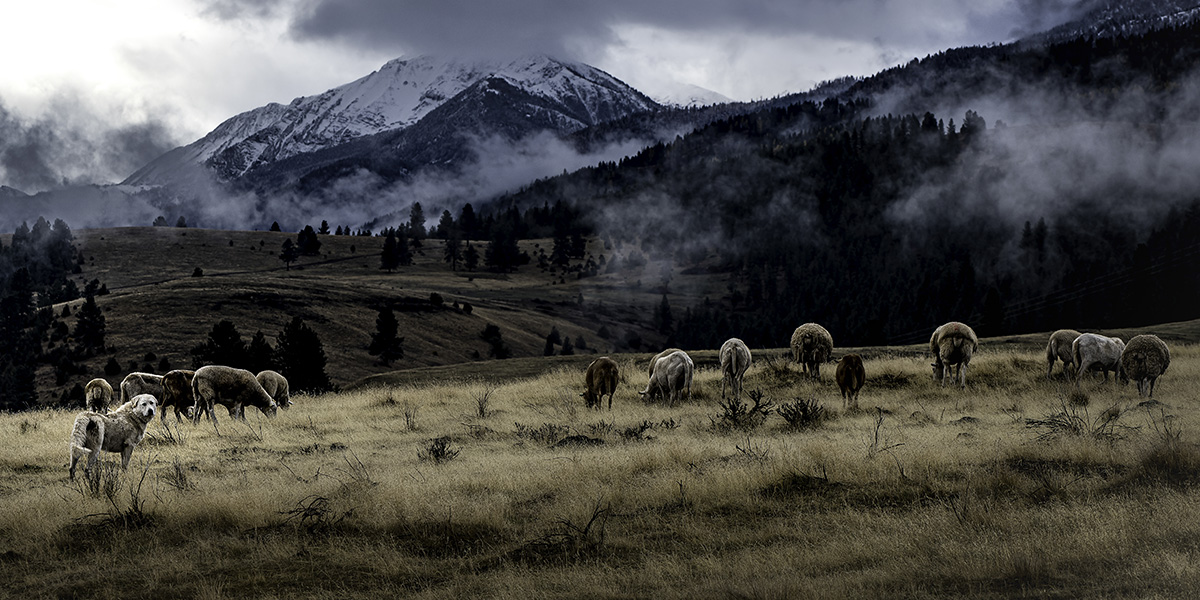
The Wild Sheep Foundation recently submitted comments to the Bureau of Land Management (BLM) regarding its proposed updates to federal grazing regulations.
Why this matters to wild sheep conservation?
Domestic sheep that can carry M.ovi do graze on some BLM lands, as do cattle, which do not carry the pathogen. WSF’s strategy to create rangeland separation between wild and domestic sheep includes influencing federal agencies to avoid stocking domestic sheep on those allotments, buying out domestic sheep grazing permits and swapping permits with cattle producers.
Overall, WSF supports the agency's effort to modernize grazing management and improve the health of public rangelands. We also recommended three important improvements that we believe will lead to better outcomes for wild sheep, other wildlife, livestock, and the people who depend on healthy public lands.
Keep experienced conservation partners at the table.
WSF urged BLM to continue involving organizations with a proven record of investing in habitat restoration and wildlife conservation in grazing management discussions. Hunter-conservation organizations, state wildlife agencies, and livestock producers have worked together for decades to improve habitat, restore wild sheep populations, and solve management challenges. These partnerships should remain part of the decision-making process.
Set clear goals for temporary grazing changes.
When grazing is temporarily reduced or paused to improve habitat, WSF recommended that BLM establish measurable resource objectives and a clear path for returning livestock once those objectives are met. Good conservation relies on active management with defined goals—not indefinite restrictions.
Expand partnerships to improve land monitoring.
BLM faces a growing backlog of land health assessments because the agency lacks the staff and resources to evaluate every grazing allotment in a timely manner. WSF encouraged the agency to work more closely with permittees, state wildlife agencies, and qualified conservation organizations while embracing new technologies such as satellite imagery and drone mapping. Better data leads to better management decisions.
At its core, WSF's comments reinforce a principle we have long championed: conservation succeeds when it is collaborative, science-based, and built on active stewardship of our public lands. Hunter-conservationists, ranchers, land managers, and wildlife professionals all have important roles to play in keeping America's rangelands productive for wildlife, livestock, and future generations.
Tags: Advocacy